What Does Saffron Taste Like? Honey, Hay, a Bitter Edge, and Why Too Much Tastes Like Medicine
What saffron tastes and smells like, the three compounds behind it, how Kashmiri differs from Persian and Spanish, what it pairs with, and what fake saffron tastes like.
By Kashmiri Treasures · October 31, 2026 · 6 min read
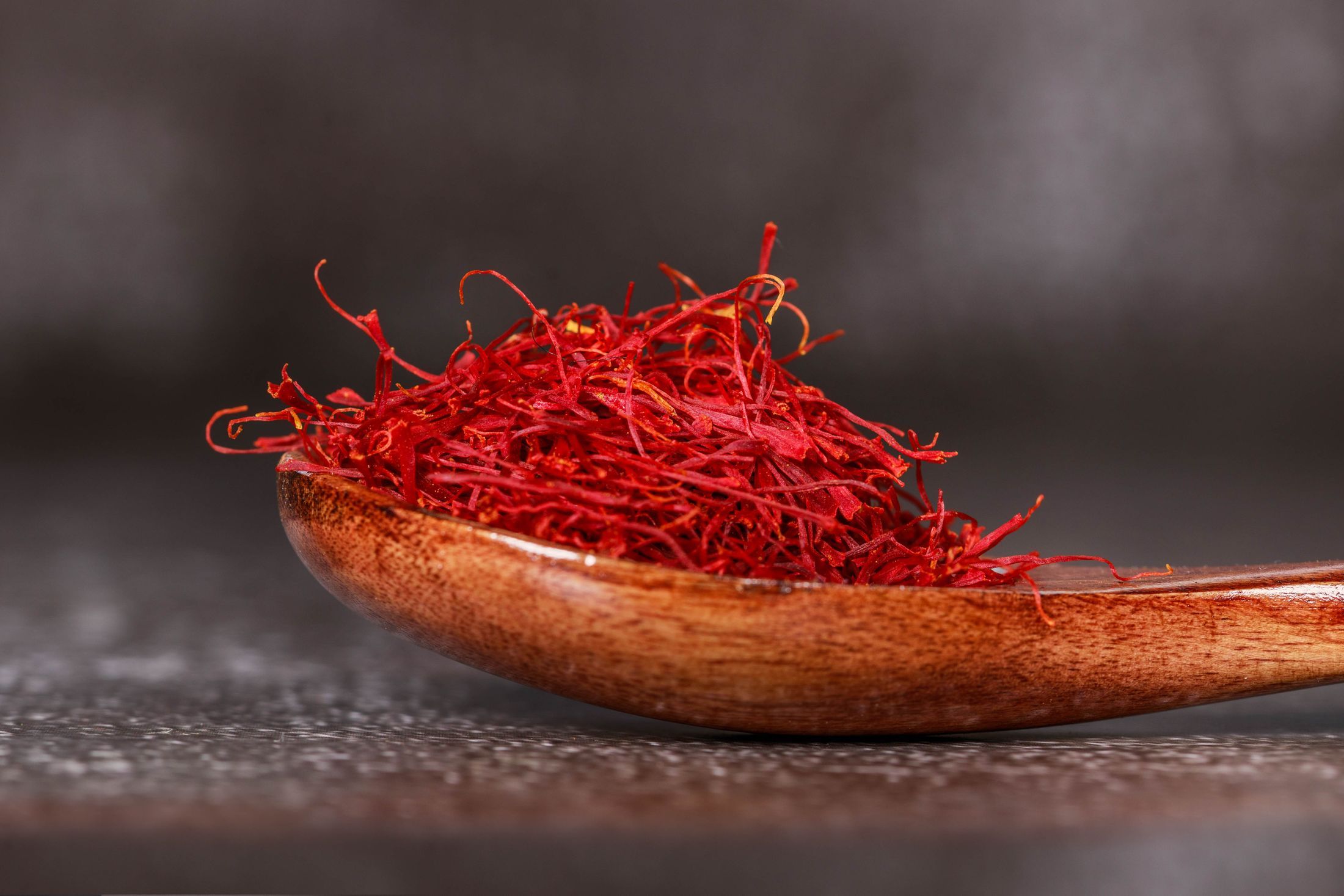
Saffron tastes floral and lightly sweet, like honey poured over fresh hay, with an earthy depth and a faint bitterness at the end. The aroma is bigger than the taste: open a vial and you get a sharp, sweet, almost leathery perfume before anything touches your tongue. In a dish, good saffron is less a flavour you can point to than a glow that makes rice, milk or broth taste more like themselves and leaves a warm, slightly metallic perfume behind.
That description will make sense once you have tasted real saffron, and frustrate you until you have. If you have only met saffron in a restaurant paella or a supermarket rice mix, you may have tasted mostly turmeric and food colouring. This guide explains what the real thing tastes and smells like, why, how origin changes it, how to taste it properly, what it pairs with, and how to tell from taste alone that something is wrong.
The three compounds behind the taste
Saffron’s character comes almost entirely from three molecules, and conveniently the international standard for saffron, ISO 3632, measures all three.
Crocin is the colour. It is a water-soluble carotenoid, which is why saffron bleeds gold into water, milk and broth but does little in oil. Crocin itself has almost no taste. A dish that is vividly yellow but tastes of nothing has colour without aroma, which is what stale or adulterated saffron gives you.
Picrocrocin is the taste. It is the bitter component, and in small amounts that bitterness reads as depth and a clean, dry finish, the way bitterness works in good chocolate or tea. ISO 3632 measures it because high picrocrocin means fresh, well-dried saffron. Too much saffron in a dish, and picrocrocin tips from pleasant to medicinal.
Safranal is the aroma. It forms from picrocrocin as the stigmas dry after harvest, which is why how saffron is dried matters as much as how it is grown. Safranal is volatile: it is what you smell from the vial, what fades first as saffron ages, and what you lose if you boil saffron hard. That hay-honey-tobacco perfume is safranal.
How to taste saffron properly
Put two or three threads directly on your tongue. First you will get almost nothing, then a soft floral sweetness, then a slow, dry bitterness that spreads across the back of the palate and lingers. Chewing releases more of the bitterness. This is the raw profile, and it is more intense than you will ever taste in a finished dish.
Now bloom a small pinch, five or six threads, in two tablespoons of warm water for 15 minutes and sip the liquid. This is closer to how saffron works in food: honeyed, floral, faintly earthy, with the bitterness softened into a clean finish. The liquid should be a clear bright gold and the threads should still be red. This is also the simplest quality test there is, and we go through it in how to spot fake saffron.
Finally, taste it in milk. Warm milk with a few threads steeped for ten minutes rounds off the bitterness almost entirely and brings the honey and floral notes forward. This is why saffron milk and saffron desserts are many people’s favourite way to taste it.
Does origin change the taste?
Yes, within limits. All saffron is the stigma of Crocus sativus, so Kashmiri, Persian and Spanish saffron share one flavour family. The differences are matters of intensity and balance, driven by climate, altitude, harvest timing, how much of the yellow style is left attached, and the drying method.
Kashmiri Mongra is grown at around 1,600 metres on the Karewa plateaus of Pampore, picked over a short bloom in late October and early November, and sold with the pale style removed so you get only the crimson tip. It is the deepest in colour of the three and the most intense in aroma, with a rounder, sweeter finish. Cooks tend to use slightly less of it.
Persian saffron, which is most of the world’s supply, is bright, clean and slightly sharper in the nose. Super negin, the all-red grade, is excellent saffron and closest in style to Mongra. Lower Persian grades include more of the yellow style and taste weaker gram for gram.
Spanish saffron from La Mancha is traditionally toasted as part of drying, which some tasters describe as giving a mellower, more floral and slightly smoky profile. Spanish coupe grade is all red.
For a side-by-side of price, grade names and which to buy for which dish, see Kashmiri vs Persian vs Spanish saffron.
What saffron tastes like in food
In rice, saffron is at its most recognisable: honeyed, floral and faintly earthy, with the grains carrying both the colour and the perfume. Persian tahdig, biryani and risotto alla Milanese all lean on this. Saffron rice should smell of saffron before it tastes of it.
In milk and cream, the bitterness all but vanishes and saffron turns sweet and perfumed. This is the register of kulfi, shrikhand, kheer, saffron ice cream and Scandinavian saffron buns. Dairy and saffron is one of the great pairings.
In broths and stews, saffron adds depth and a warm, almost meaty roundness more than an identifiable flavour. Bouillabaisse and paella would taste flatter without it, but few diners would name saffron as the reason.
In tea, as in Kashmiri kahwa or plain saffron tea, you get the cleanest expression: honey, hay and a dry finish, usually balanced by cardamom or a little sugar.
In baking, saffron is gentle and floral, which is why it works in sweet breads, cakes and custards where a stronger spice would dominate.
What saffron pairs with
Saffron likes company that is rich, mild or fragrant and does not fight it. Classic partners: rice, milk, cream, butter, almonds and pistachios, honey, rosewater, cardamom, cinnamon, vanilla, lemon zest, orange, fennel, garlic (gently), tomato, shellfish, chicken and white fish.
It struggles against anything that shouts. Heavy chilli, strong vinegar, dark soy, smoked paprika in quantity and bitter greens all swamp it. If a recipe has saffron and a lot of chilli, the saffron is there for colour.
What fake or poor saffron tastes like
Taste is a surprisingly good detector. Safflower threads, the most common fake, taste of almost nothing, slightly grassy, with no bitterness and no perfume. Turmeric, used to colour fake powder, tastes earthy and mustardy and leaves a dry, dusty bitterness quite unlike saffron’s clean finish. Dyed corn silk or shredded paper has no taste at all and the dye comes off instantly in water. Old saffron tastes like a faint memory of the real thing, with some bitterness and colour but little aroma.
Real saffron that has been cut with the yellow style, which is legitimate in lower grades, tastes weaker and slightly more vegetal, and you need more of it.
The surest check remains the lab. ISO 3632 colour strength, measured as crocin at 440 nm, is the number that separates Category I saffron from the rest, and it is printed on every vial we sell. You can read any lot’s report on the verify page, and the grading system is explained in saffron grades and ISO 3632.
Read next: How to use saffron and Saffron vs turmeric.
Questions people ask
What does saffron taste like in one sentence?
Saffron tastes floral and faintly sweet, like honey and fresh hay, with an earthy, slightly bitter finish and a perfume that lingers after you swallow. It is subtle in small amounts and medicinal in large ones.
Why does my saffron taste bitter?
Mild bitterness is part of real saffron: the compound picrocrocin, which the ISO 3632 standard actually measures as a quality marker, is bitter by nature. Strong bitterness usually means too much saffron, threads added directly to a hot pan instead of bloomed first, or saffron that has been boiled hard for a long time. Use fewer threads, steep them in warm liquid for 15 minutes, and add the liquid near the end of cooking.
What does saffron smell like?
Fresh saffron smells of honey, dried grass or hay, and something between leather and tobacco, with a sweet floral top note. The smell is sharper and more immediate than the taste. The aroma compound is safranal, which forms as the stigmas dry after harvest and fades slowly over the following years.
Does saffron taste like turmeric?
No. They share a yellow colour and nothing else. Turmeric is earthy, peppery and mustardy with a dry bitterness; saffron is floral, honeyed and perfumed. Recipes that swap one for the other are matching colour only. We compare them in detail in our saffron vs turmeric guide.
Does Kashmiri saffron taste different from Persian or Spanish saffron?
Yes, noticeably to a trained palate and modestly to most cooks. Kashmiri Mongra tends to be deeper in colour and more intensely aromatic, with a rounder, sweeter finish, so you use slightly less. Persian super negin is bright and clean, slightly sharper. Spanish coupe is often described as mellower and more floral. All three are the same species; the differences come from climate, soil, harvest timing and how the stigmas are dried.
Written by the Kashmiri Treasures team in Srinagar. We buy at the field in Pampore, test every lot to ISO 3632, and print the result on the vial. See who we are or verify a lot.