Saffron for Restaurants: A Chef's Guide to Buying, Costing, Blooming and Storing It at Volume
How restaurants should buy and use saffron: grade and lab report to demand, cost per portion, batch blooming, storage, menu honesty, and where volume pricing starts.
By Kashmiri Treasures · October 31, 2026 · 5 min read
Saffron is the ingredient chefs most often buy badly. It is expensive per gram, so purchasing pushes for the cheapest quote; it arrives as a small pack that looks the same whatever is in it; and by the time a cook notices the paella is pale and smells of nothing, the invoice is paid. The fix is the same for a restaurant as for anyone else, with a few things added for volume: buy threads with a lab report for the lot, cost it per portion rather than per gram, bloom in batches, store it like the asset it is, and be honest about origin on the menu.
This guide is for chefs, kitchen managers and buyers. It covers grade and verification, how much a kitchen actually needs, cost per plate, service workflow, storage and menu claims, and where volume pricing starts to matter.
Grade: what to buy and what to refuse
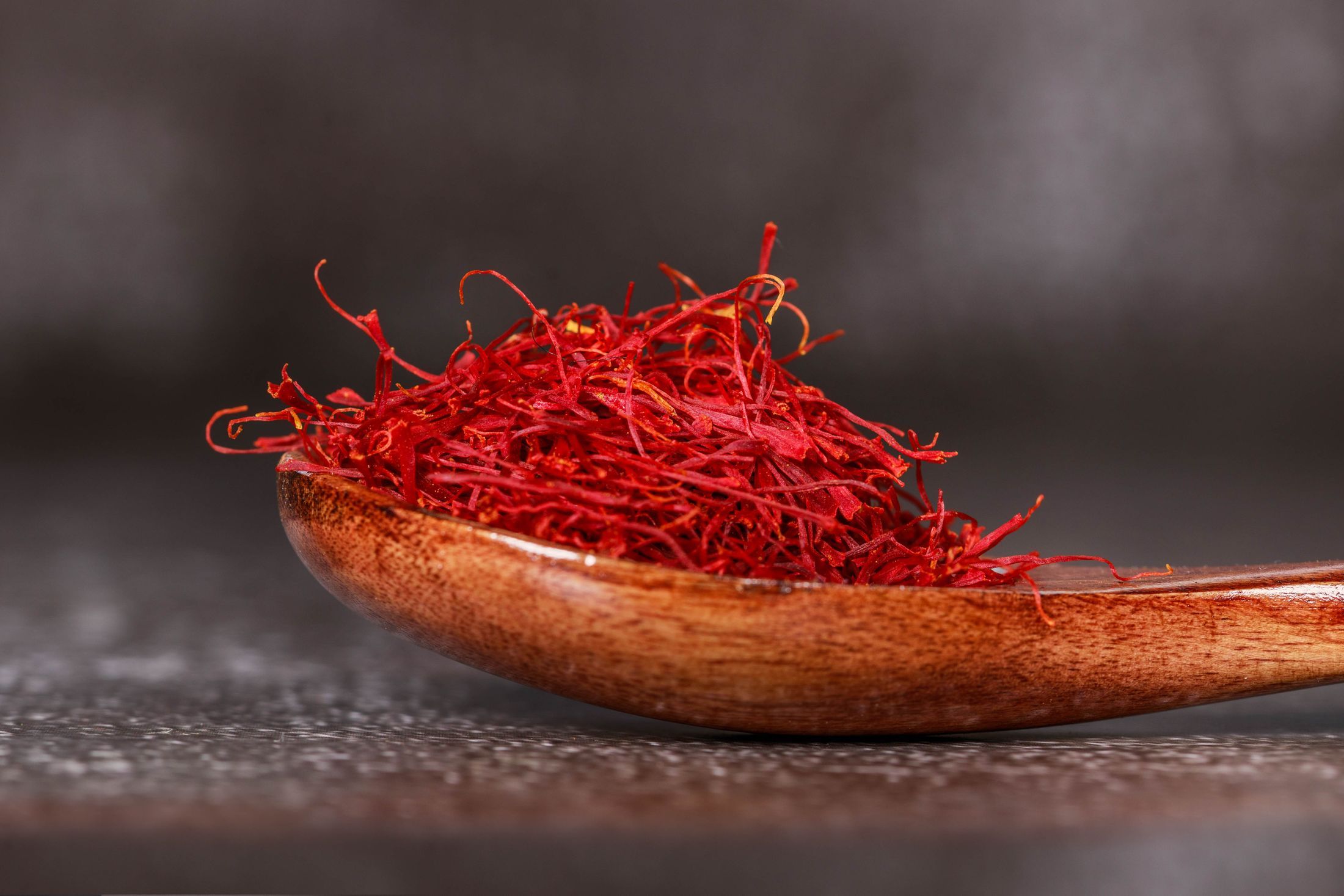
Buy stigma-only saffron. In Kashmiri terms that is Mongra, in Persian super negin or negin, in Spanish coupe. It has the highest colouring strength per gram, so you use fewer threads and the per-portion cost is lower even when the per-gram price is higher. Lacha, pushal and mancha include the pale style and are weaker; broken and powdered grades are where adulteration concentrates.
Insist on an ISO 3632 report for the lot you are buying, from an accredited lab, with colouring strength above 200 and a screen for synthetic dyes. Match the lot code on the report to the lot code on the tin. Our quality and testing page explains the figures, and the wholesale supplier checklist is the full procurement procedure.
Refuse powder unless you ground it yourself. It loses aroma in months and cannot be inspected. If a dish needs powder, grind threads with a pinch of salt in a spice grinder the same day. Threads vs powder has the detail.
How much a kitchen uses
Work backwards from portions. Four to five threads per portion of rice, risotto or dessert; two or three in a sauce or a cup of kahwa; a thread or two as garnish.
| Covers per night with saffron | Threads per night | Grams per month | Grams per year |
|---|---|---|---|
| 20 | 80 to 100 | about 6 | about 70 |
| 40 | 160 to 200 | about 12 | about 140 |
| 100 | 400 to 500 | about 28 | about 330 |
| 250 | 1,000 to 1,250 | about 70 | about 850 |
A neighbourhood restaurant uses a 50 g tin in three or four months. A busy biryani house or a hotel banqueting kitchen uses a kilogram a year. Almost nobody needs more saffron on hand than a few months’ use, and saffron fades once opened, so buy in 50 g or 100 g tins and open one at a time. How much saffron to use has per-dish quantities.
Cost per portion
Per gram, Kashmiri Mongra retails at about $20 and Persian super negin at $5 to $10. Per portion, the gap shrinks because Mongra’s higher colouring strength lets you use fewer threads.
- Mongra at $20 a gram, 4 threads (8 mg) a portion: about 16 cents.
- Mongra in a 50 g tin at trade pricing, around $12 a gram: about 10 cents.
- Persian super negin at $8 a gram, 5 threads (10 mg) a portion: about 8 cents.
Against a plate sold for $18 to $30, saffron is a rounding error. The difference between great saffron and mediocre saffron on a menu item is a few cents a plate, which is the strongest argument there is for buying the good kind and saying so.
Service workflow: bloom in batches
Blooming saffron to order wastes time and threads. Make an infusion.
Saffron infusion. Put 1 g of threads (about 450) in 200 ml of hot, not boiling, water or light stock. Cover and steep 20 minutes; leave the threads in. Chill, label with the date, and use within 48 hours. Each teaspoon (5 ml) carries about 25 mg of saffron, a generous rice portion; a tablespoon does a pan of risotto for four. For dairy dishes, make the infusion in milk or cream.
Grinding. For sauces, batters or anything needing even dispersion, crush threads with a pinch of coarse salt or sugar in a mortar or small grinder, same day, and whisk into the liquid.
Timing. Add saffron infusion in the last minutes of cooking. Long simmering fades the colour and drives off aroma. For streaked rice, drizzle over the top layer before resting; for uniform colour, stir through.
Garnish. A few whole threads on top of a dish signal saffron to the guest and cost nothing. Bloom them for a minute first so they do not stay stiff.
How to use saffron and saffron rice three ways cover technique at the pan.
Storage in a kitchen
Kitchens are hot, bright and humid, which is everything saffron hates. Keep the working tin small, airtight and in the dry store, never above the pass or the stove. Decant a week’s worth into a small jar for the line. Keep unopened tins sealed and dark; they hold for two years. Never refrigerate open saffron: condensation when the tin comes out is how it clumps and moulds. How to store saffron has the rules.
Put the lot code and date on every working jar. If a dish is off, you can trace it.
Menu honesty
Kashmir Saffron is a registered Geographical Indication, and describing Iranian or Spanish saffron as Kashmiri on a menu is a misleading commercial claim in the UK, EU, US, Australia and Canada. The reverse is fine: good Persian saffron is good saffron and can be named as such. If you do buy Kashmiri, say so and keep the lot’s report and origin details on file; guests who care will ask, and the paperwork protects you. How to verify GI-tagged Kashmiri saffron explains what to keep.
The same applies to health claims. Saffron is a food; menus and marketing that promise mood or sleep benefits invite regulatory attention. Describe the flavour.
Buying from us
We supply tins from 10 g to 100 g from the saffron page, each lot with its ISO 3632 report, GI details, grower and harvest month, shipped tracked with duties prepaid to the US, UK, UAE and Australia. For 100 g and above, recurring supply, invoicing to your company or private-label tins, use the bulk orders page and we quote within one working day.
Read next: Buying saffron wholesale: a supplier checklist and How much saffron to use.
Questions people ask
What does saffron cost per portion in a restaurant?
At $20 a gram for Kashmiri Mongra and 4 to 5 threads a portion, roughly 20 cents a plate for a saffron rice or risotto, less for a sauce. A 50 g tin at trade pricing brings it closer to 12 to 15 cents. Saffron is one of the cheapest premium ingredients per plate; the expense is in the tin, not the dish.
Should restaurants buy saffron threads or powder?
Threads. Powder loses aroma within months, cannot be inspected, and is where adulteration lives. Threads keep for two years sealed, can be checked by eye and water test, and are easy to bloom in batches. Grind threads in-house if a dish needs powder.
How much saffron does a restaurant need?
Work from portions. A restaurant serving 40 saffron portions a night at 4 threads each uses about 160 threads, roughly 0.35 g a night, 10 g a month, 120 g a year. Most kitchens are surprised by how little it is. Buy in 50 g or 100 g tins and open one at a time.
Can I put Kashmiri saffron on the menu?
Only if it is. Kashmir Saffron is a registered Geographical Indication, and in the UK, EU and US, describing Iranian saffron as Kashmiri on a menu is a misleading claim under consumer law. Ask your supplier for the lot's origin evidence and keep it on file; the lab report and GI details protect you as well as the customer.
How do I bloom saffron for service?
Make a saffron infusion at the start of service: 1 g of threads in 200 ml of hot water or stock, covered, 20 minutes, kept chilled for up to 48 hours. Dose by spoon: a teaspoon is about 25 mg, a generous portion's worth for rice. For streaked rice, drizzle; for sauces, stir in at the end.
Written by the Kashmiri Treasures team in Srinagar. We buy at the field in Pampore, test every lot to ISO 3632, and print the result on the vial. See who we are or verify a lot.