Skip to content

Lab report on every vial

Kashmiri Treasures
Change market and currency: AED

Our story

Twenty tonnes a year. Most of it never leaves India.

Kashmir has grown saffron for at least seven centuries, on a handful of plateaus south of Srinagar where the soil is a deep lacustrine clay the valley calls Karewa. The protected name, Kashmir Saffron, Geographical Indication No. 635, covers Pulwama, Budgam, Srinagar and Kishtwar. Official figures put the 2024–25 crop at under 20 tonnes.

We are a Srinagar family business. We buy from growers we know by name, at prices above the Pampore auction, and we take the stigma to a NABL-accredited laboratory before it goes into a vial. The lab result is the product. The story is just why we care.

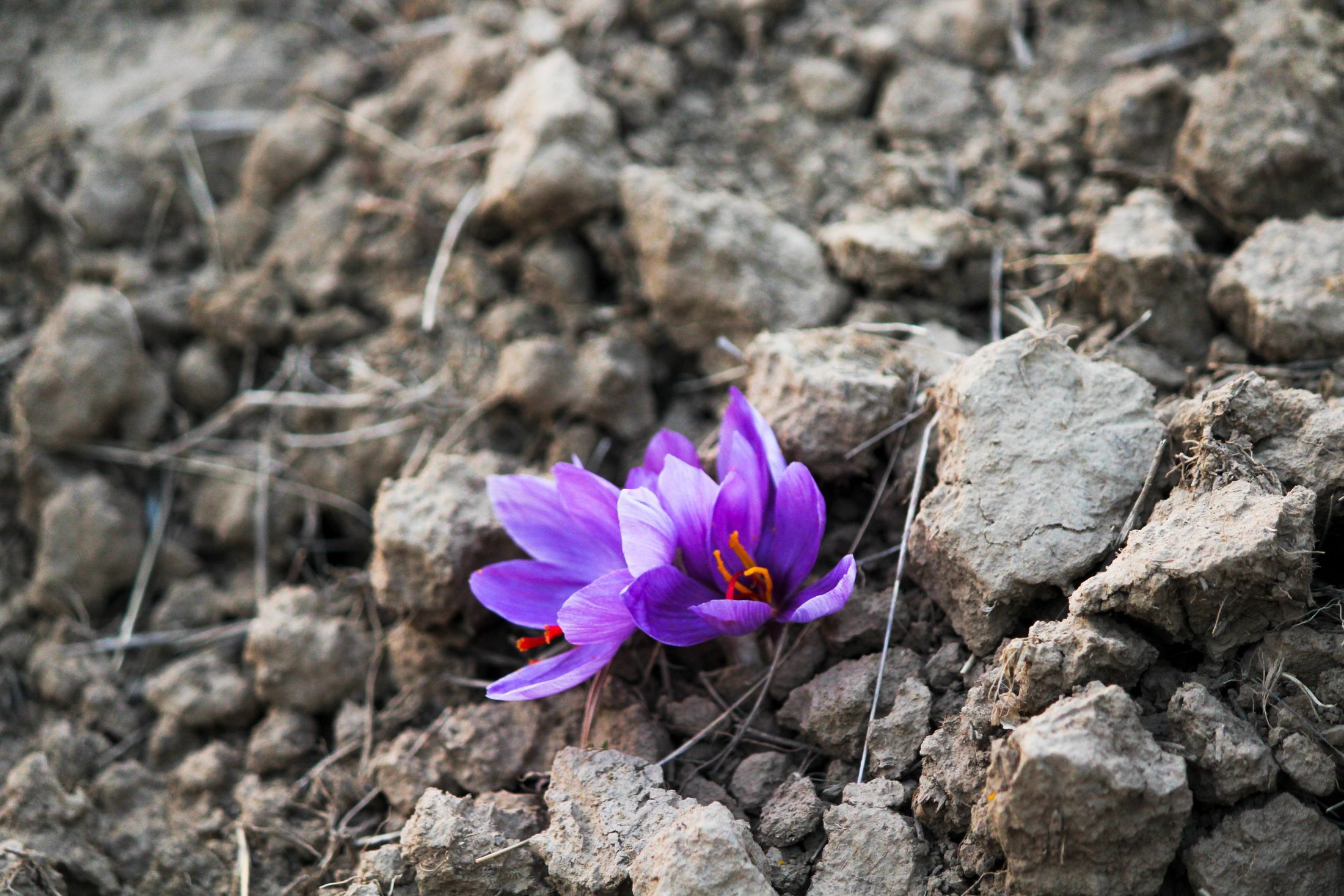
A single saffron crocus pushing through cracked Karewa soil in Pampore
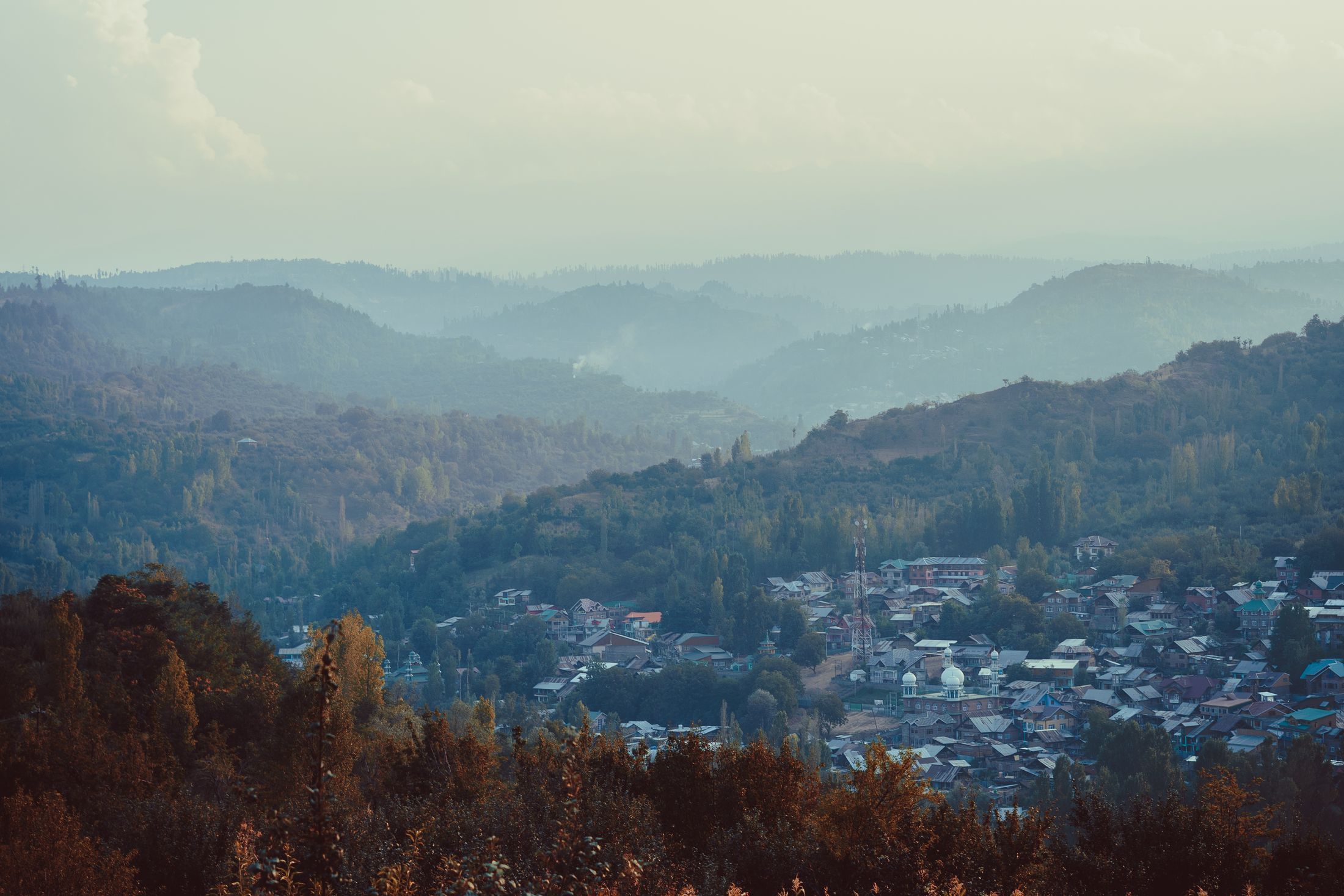
Mist over the wooded hills and rooftops of Srinagar in autumn
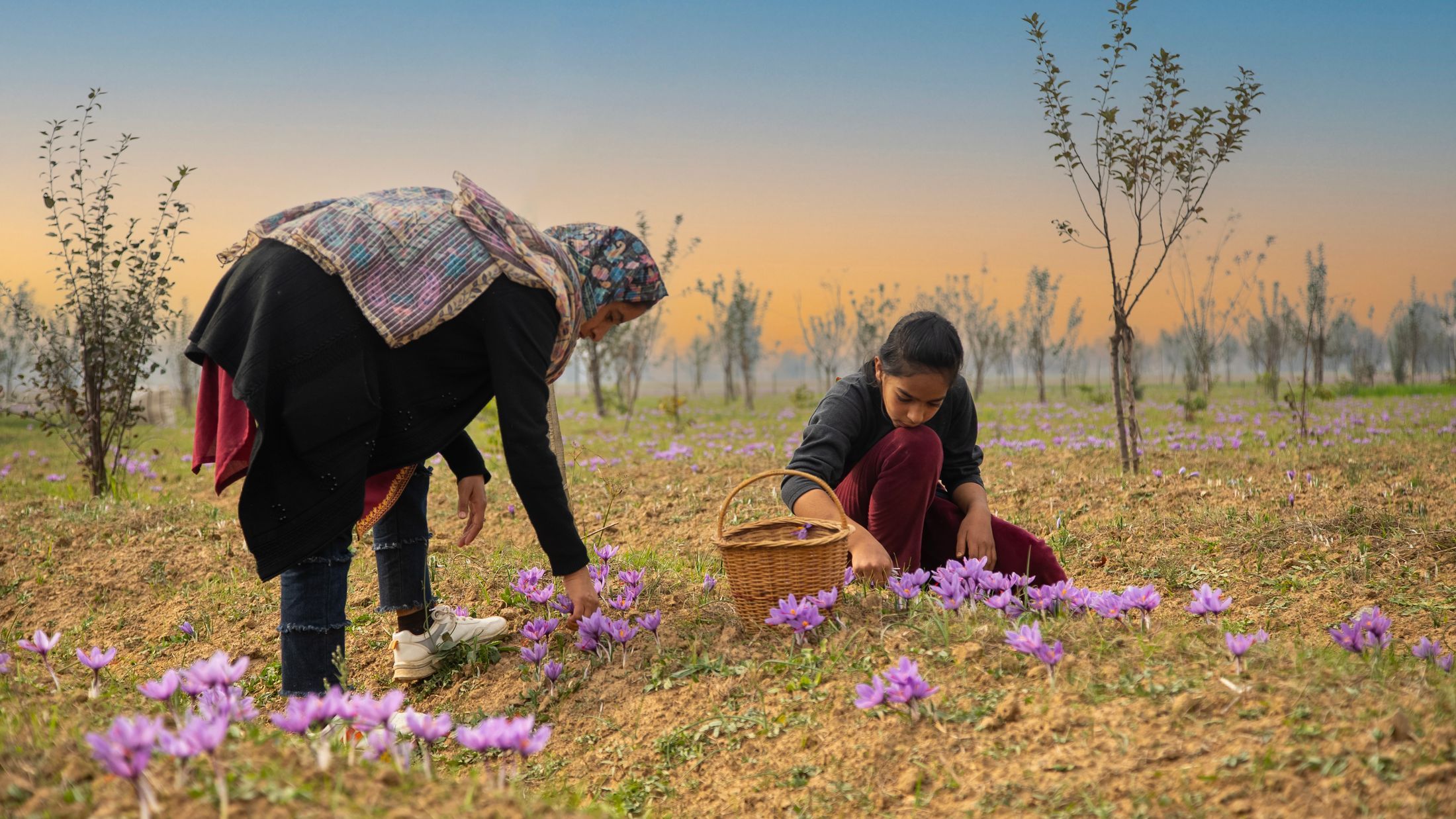
A mother and daughter picking saffron flowers into a basket at sunset in Kashmir
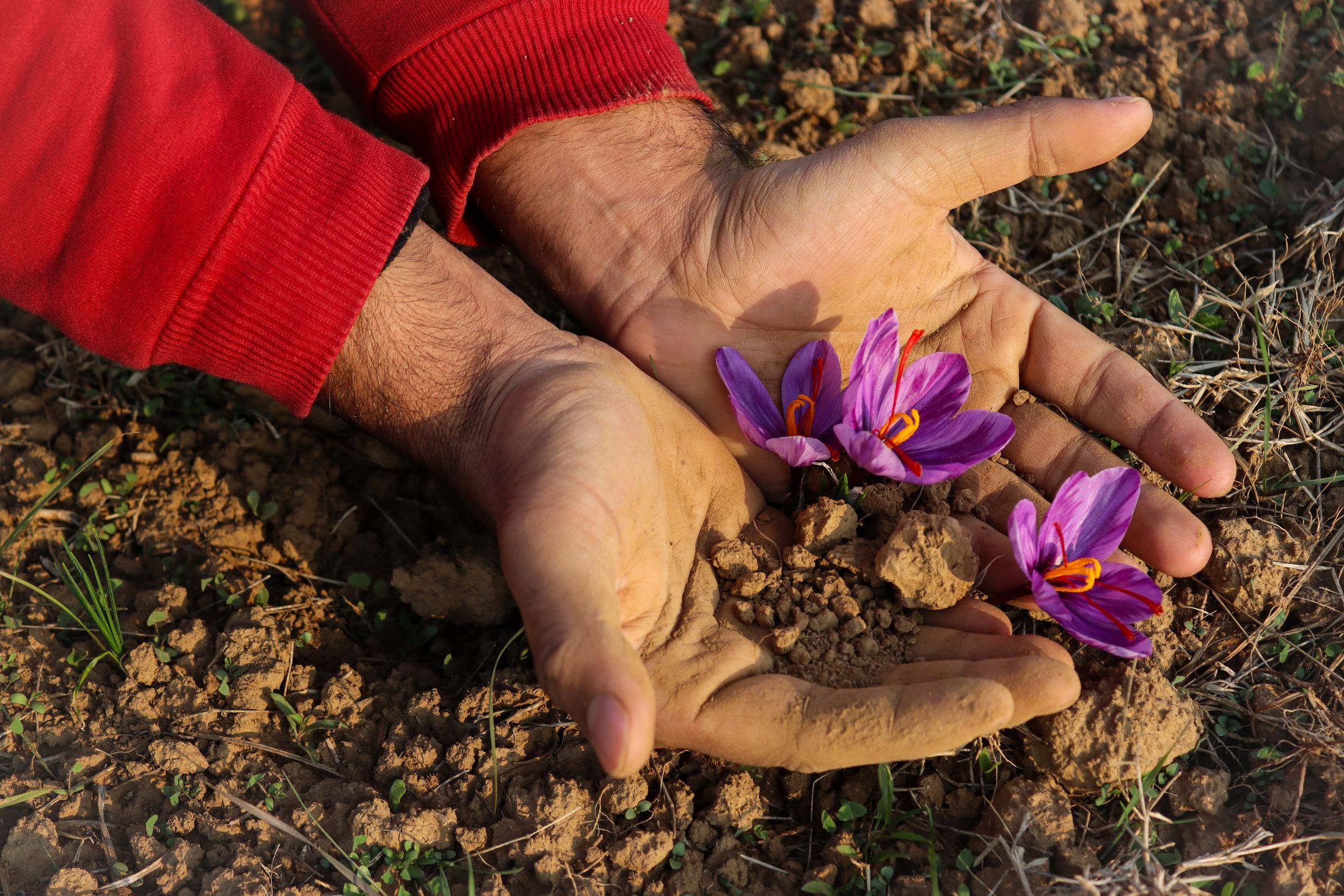
Weathered hands of a grower holding freshly picked saffron flowers over the soil in Pampore

The valley · 1 / 3

A plateau 1,600 metres up, cold at night in October.

Kashmir saffron grows on Karewa soil, lacustrine clay left by an ancient lake, on plateaus around Pampore. The altitude and the cold nights during the bloom are what growers credit for the thick, oil-rich stigma.

The field · 2 / 3

Lethpora, Pampore. Three weeks of bloom, picked at first light.

Crocus sativus flowers for about three weeks each autumn. Each flower gives three stigmas. It takes roughly 150 flowers to make a single gram of dried Mongra, every one of them picked by hand before the sun is on the petals.

The grower · 3 / 3

Ghulam Nabi Bhat. The name on your vial.

Third-generation grower on a 1.2-acre Karewa plot. Picks at first light with his daughters; stigmas separated by hand the same afternoon.

From field to your door

  1. Late October: bloom begins; flowers are picked at first light for about three weeks.
  2. Same afternoon: stigmas are separated from the style by hand (Mongra) and shade-dried.
  3. Within two weeks: samples go to the laboratory for ISO 3632 testing; the lot is numbered.
  4. On packing: the lot code, crocin number, harvest dates and grower go on the label with a QR to the verify page.
  5. On order: your vial leaves Srinagar within two working days, tracked, with the lab summary in the parcel for customs.

What we promise

See the current lot

Photography: Yasir Ashraf Bhat / Pexels · Victoria Bowers / Pexels · Engin Akyurt / Pexels · wanderinglenses / Pexels · Amjed Wani / Pexels · Rubaitul Azad / Pexels · jdgromov / Pexels · Mohammad Amiri / Unsplash.