Saffron Milk (Kesar Doodh) Recipe: How to Make It, When to Drink It, and What It Does
A simple saffron milk recipe with the right thread count and steeping time, almond and cardamom variations, honest answers on sleep and pregnancy.
By Kashmiri Treasures · October 31, 2026 · 6 min read
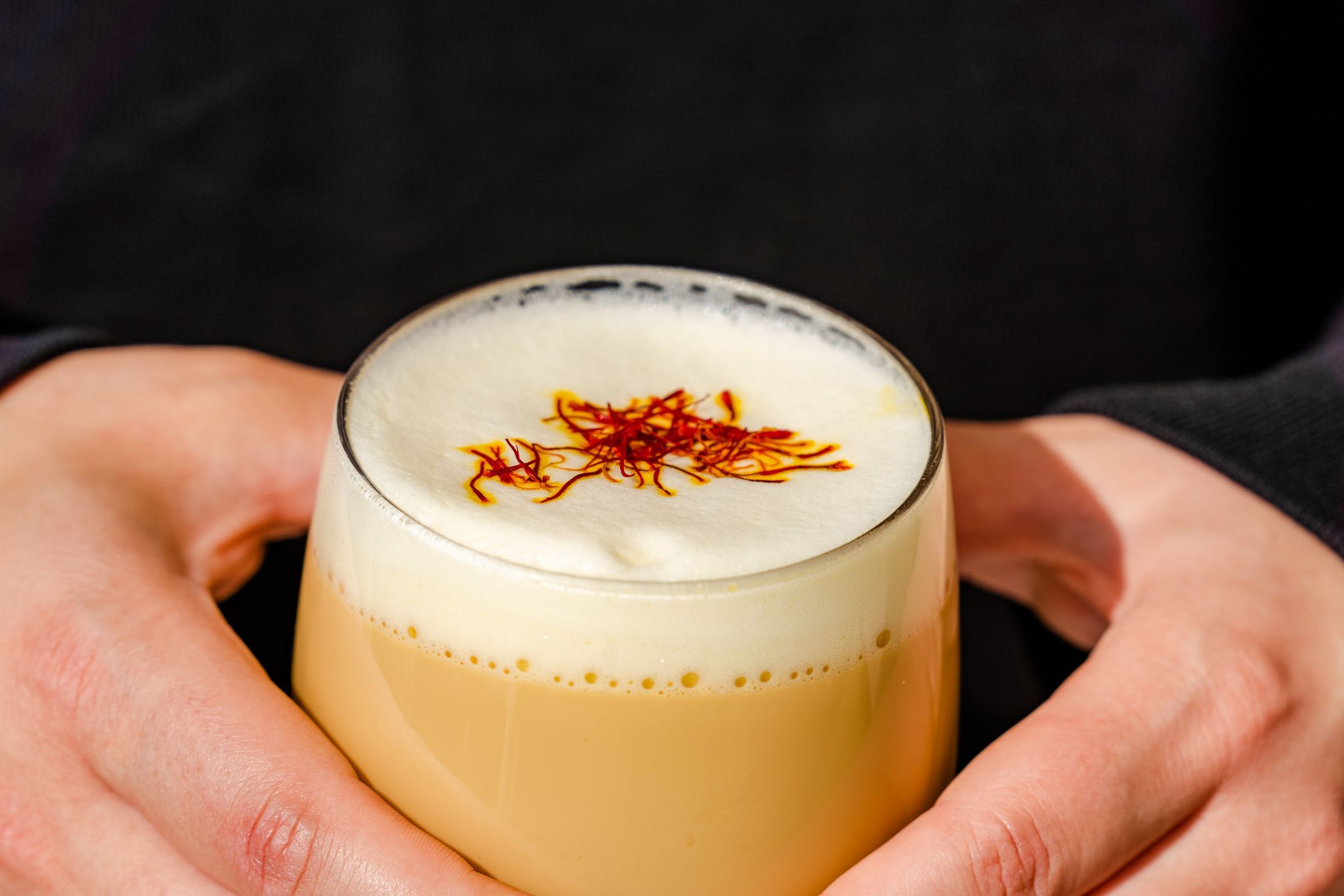
Saffron milk is a cup of warm milk with four to six saffron threads steeped in it, sweetened a little, and often scented with cardamom or thickened with ground almonds. It takes ten minutes, costs under half a dollar in saffron, and is the way most people in India, Pakistan and the Gulf first met saffron. In Hindi and Urdu it is kesar doodh, with almonds kesar badam doodh, and on the Persian side za’farān shir.
Done right, the milk turns a pale, even gold and smells of honey and hay with a floral lift. Done wrong, it is either plain white milk with a few red threads sitting on top, because the saffron was not steeped, or faintly medicinal, because someone used a pinch big enough for a biryani. The recipe below gets the dose and the steeping right, and the second half of the article answers the questions people actually ask about it: sleep, pregnancy, skin, and whether it does anything.
Saffron milk recipe
Makes 1 cup. 10 minutes.
- 250 ml whole milk (or oat or almond milk)
- 4 to 6 Kashmiri saffron threads
- 1 to 2 teaspoons sugar, honey or jaggery, to taste
- Optional: 1 green cardamom pod, lightly crushed
- Optional: 1 teaspoon ground almonds or 4 to 5 blanched almonds, finely chopped
- Bloom the saffron. Warm 2 tablespoons of the milk until hot but not boiling (about 20 seconds in a microwave, or a small pan). Add the saffron threads, stir, cover and leave for 10 minutes. The milk will turn deep gold and the threads will soften.
- Heat the rest. Warm the remaining milk with the cardamom pod, if using, until it steams. Do not boil hard; a brief simmer is fine, a rolling boil scalds the milk and drives off aroma.
- Combine. Stir the saffron milk, threads and all, into the hot milk. Add sugar or honey and the almonds. Taste; it should be gently sweet with the saffron clearly there but not bitter.
- Serve hot in winter, or chill for two hours and serve cold in summer, which is how it is drunk across much of India.
That is the whole recipe. The step most people skip is the first one. Dropping threads into a full cup of hot milk and drinking it straight away extracts a fraction of the colour and almost none of the flavour. Ten minutes in a small amount of warm milk does the work.
Variations
Kesar badam doodh. Soak 8 to 10 almonds overnight, slip off the skins and blend with a little of the milk to a smooth paste before adding to the pan. Richer and more filling, and the traditional pre-bedtime version in North India.
Kesar pista. Replace the almonds with finely chopped pistachios and add a drop of rosewater at the end. This is the flavour of kulfi in a cup.
Saffron and turmeric. Add a quarter teaspoon of turmeric and a pinch of black pepper for a cross between kesar doodh and haldi doodh. The turmeric dominates the flavour; use it when you want both.
Saffron hot chocolate. Stir 20 g of good dark chocolate into the hot milk before adding the saffron. Saffron and chocolate are an underrated pair.
Cold saffron milk. Make as above, chill, and shake with ice. In the Gulf and in Gujarat this is a summer drink, sometimes with a little sabja (basil seed) or chia stirred in.
Thandai-style. Add a pinch each of ground fennel, cardamom and black pepper plus a few crushed melon seeds for a lighter cousin of the Holi drink.
Does saffron milk do anything?
Saffron has more clinical research behind it than almost any other kitchen spice, mostly small randomised trials from Iran and more recently Australia and Europe, and the honest summary is: modest effects in a few areas at doses of around 28 to 30 mg of saffron a day, and no evidence at all for most of the traditional claims.
Sleep. A few trials of standardised saffron extract at 14 to 28 mg a day reported better sleep quality in adults with sleep complaints over several weeks. A cup of saffron milk with five threads contains roughly 10 mg of saffron, so the daily cup is at the low end of a studied dose. Combined with warm milk and a bedtime routine, it is a reasonable evening habit; it is not a sleeping pill.
Mood. The best-supported use of saffron is for mild to moderate low mood, where 30 mg a day has performed comparably to low-dose antidepressants in several small trials. Again, saffron milk delivers about a third of that. Anyone taking antidepressants should talk to their doctor before adding saffron supplements. Saffron benefits: what the research says goes through the evidence study by study.
Skin. The belief that saffron milk makes skin fair, or makes an unborn baby fair, is a myth. Skin tone is set by genetics. Saffron is an antioxidant and there is a little evidence for topical use, but drinking it will not change your complexion. Saffron for skin separates the folklore from the few things that are supported.
Digestion and warmth. In Ayurveda and Unani medicine, saffron milk is a warming tonic for winter, for recovery after illness and for digestion. There is no trial evidence for this; there is also no harm in it at culinary doses.
Saffron milk in pregnancy
Kesar doodh is given to pregnant women across India from the fifth month on, usually for the complexion myth above and sometimes to ease digestion or lift mood. In culinary amounts, a few threads a day, saffron is generally regarded as safe in pregnancy, and there are no reports of harm at that level. Large doses are a different matter: several grams of saffron at once has been associated with uterine stimulation and is traditionally avoided, and doses of five grams or more are toxic for anyone. Stay at a few threads, do not take saffron supplements in pregnancy without medical advice, and read is saffron safe? before deciding.
Saffron milk for children
Children over about two can have saffron milk made with two or three threads. The bigger consideration is the sugar. Older children drink it as a treat, and in many families it is the standard festival-night drink.
Which saffron to use
Any genuine saffron works. Kashmiri Mongra gives the deepest colour and the sweetest aroma per thread, so you use four where you might use six of Persian or Spanish saffron. What does not work is fake saffron, which is unfortunately common in the small packets sold for kesar doodh: dyed safflower turns the milk orange in seconds and tastes of nothing, and turmeric-based powders taste earthy. If the colour appears instantly and the threads go pale, it is not saffron. How to spot fake saffron has the tests.
Our saffron is picked in Pampore in October and sold with the lot’s lab-tested colouring strength on the vial. Sizes from 0.5 g, which is enough for 40 cups, are on the saffron page.
Read next: Saffron tea recipe and Kashmiri kahwa recipe.
Questions people ask
How many saffron threads should I put in a glass of milk?
Four to six threads for a 250 ml cup. That is enough to colour the milk pale gold and give a clear honeyed aroma. Ten threads makes it noticeably bitter. If your saffron is good Kashmiri Mongra, start at four. Steep the threads in two tablespoons of warm milk for ten minutes before adding the rest, or the colour and flavour stay in the threads.
Is saffron milk good before bed?
Many people find it relaxing, and there is some clinical evidence that saffron in doses around 28 to 30 mg a day modestly improves sleep quality in adults with sleep complaints. A cup of saffron milk contains a fraction of that, so think of it as a calming evening ritual with a plausible small benefit rather than a treatment. Warm milk, a dark room and a fixed bedtime do most of the work.
Can I drink saffron milk during pregnancy?
In culinary amounts, a few threads in a cup, saffron is generally considered safe in pregnancy, and saffron milk is a traditional drink in Indian pregnancies. The belief that it gives the baby a fair complexion is a myth; skin tone is genetic. Avoid the large doses, a gram or more a day, that some traditional advice suggests, and if you have a high-risk pregnancy ask your doctor. Our saffron safety guide covers this in detail.
What is the difference between saffron milk and golden milk?
Golden milk is turmeric milk (haldi doodh): milk warmed with ground turmeric, usually black pepper and often ginger or cinnamon, bright yellow and earthy. Saffron milk (kesar doodh) uses saffron threads and tastes floral and honeyed. They look alike and are both traditional Indian tonics, but they are different spices with different flavours. Some families combine them.
Can I make saffron milk with plant milk?
Yes. Oat and almond milk take saffron well and almond milk is close to the traditional kesar badam doodh. Soy milk works but its own flavour competes. Coconut milk is too rich and masks the saffron. Warm the plant milk gently and do not boil, as some separate.
Written by the Kashmiri Treasures team in Srinagar. We buy at the field in Pampore, test every lot to ISO 3632, and print the result on the vial. See who we are or verify a lot.