Saffron for PMS and Period Pain: What the Trials Show, the Dose, and How to Take It
Does saffron help PMS and period pain? The randomised trials at 30 mg a day, the size of the effect, how to take it through the cycle, and the safety points for women.
By Kashmiri Treasures · October 31, 2026 · 4 min read
Saffron has some of the better evidence among natural approaches to premenstrual syndrome. Two randomised, double-blind, placebo-controlled trials gave women 30 mg of saffron a day for two cycles and found clear reductions in PMS symptoms and premenstrual low mood, with side effects no worse than placebo. For period pain the evidence is thinner but points the same way. None of it is large or long-term, and saffron is not a treatment for a gynaecological condition.
This guide sets out what the trials found, how to take saffron for PMS in threads rather than capsules, what to expect and when, and the safety points that matter for women in particular. It summarises research and is not medical advice; see our disclaimer and talk to your doctor if symptoms are severe or you take medication.
The PMS trials
The first was published in 2008 in BJOG, the British journal of obstetrics and gynaecology. Fifty women aged 20 to 45 with PMS diagnosed by daily symptom diaries took either 15 mg of saffron twice a day or placebo for two menstrual cycles. By the second cycle, three quarters of the saffron group had at least halved their PMS symptom score, against a small minority on placebo, and depression scores fell as well.
A second trial, published in 2018 in Archives of Women’s Mental Health, repeated the design with a larger group and again found significant improvements in premenstrual symptoms and mood on 30 mg of saffron a day over two cycles compared with placebo.
Later trials have combined saffron with other treatments or looked at mood in the premenstrual phase specifically, with similar results. Reviews of natural products for PMS consistently list saffron among the few with randomised evidence.
The caveats are the usual ones for saffron research: small trials, short duration, mostly from one country. But the design was sound, the outcomes were measured with validated diaries and scales, and the effect was large enough to matter to the women in the studies.
Period pain
Primary dysmenorrhoea, period pain without an underlying condition, has been studied less. Small trials from Iran have tested saffron alone and in herbal combinations against placebo and reported lower pain scores and shorter duration of pain in the saffron groups. The combination trials make it hard to attribute the effect to saffron alone, and the stand-alone trials are small.
The plausible mechanism is anti-inflammatory: saffron’s compounds reduce prostaglandin-related inflammation in laboratory studies, and prostaglandins drive menstrual cramps. Saffron also eases the low mood that makes pain harder to bear. A reasonable summary is that it may help modestly and is unlikely to hurt, taken alongside heat, exercise and, when needed, an anti-inflammatory painkiller.
How saffron might work for PMS
The leading explanation is serotonin. PMS, and especially its severe form, premenstrual dysphoric disorder, responds to SSRIs, and saffron appears to increase serotonin availability, which is also the proposed basis for its antidepressant effect. Anti-inflammatory and antioxidant actions probably contribute. Saffron for depression and anxiety covers the mood evidence in detail.
Dose and how to take it
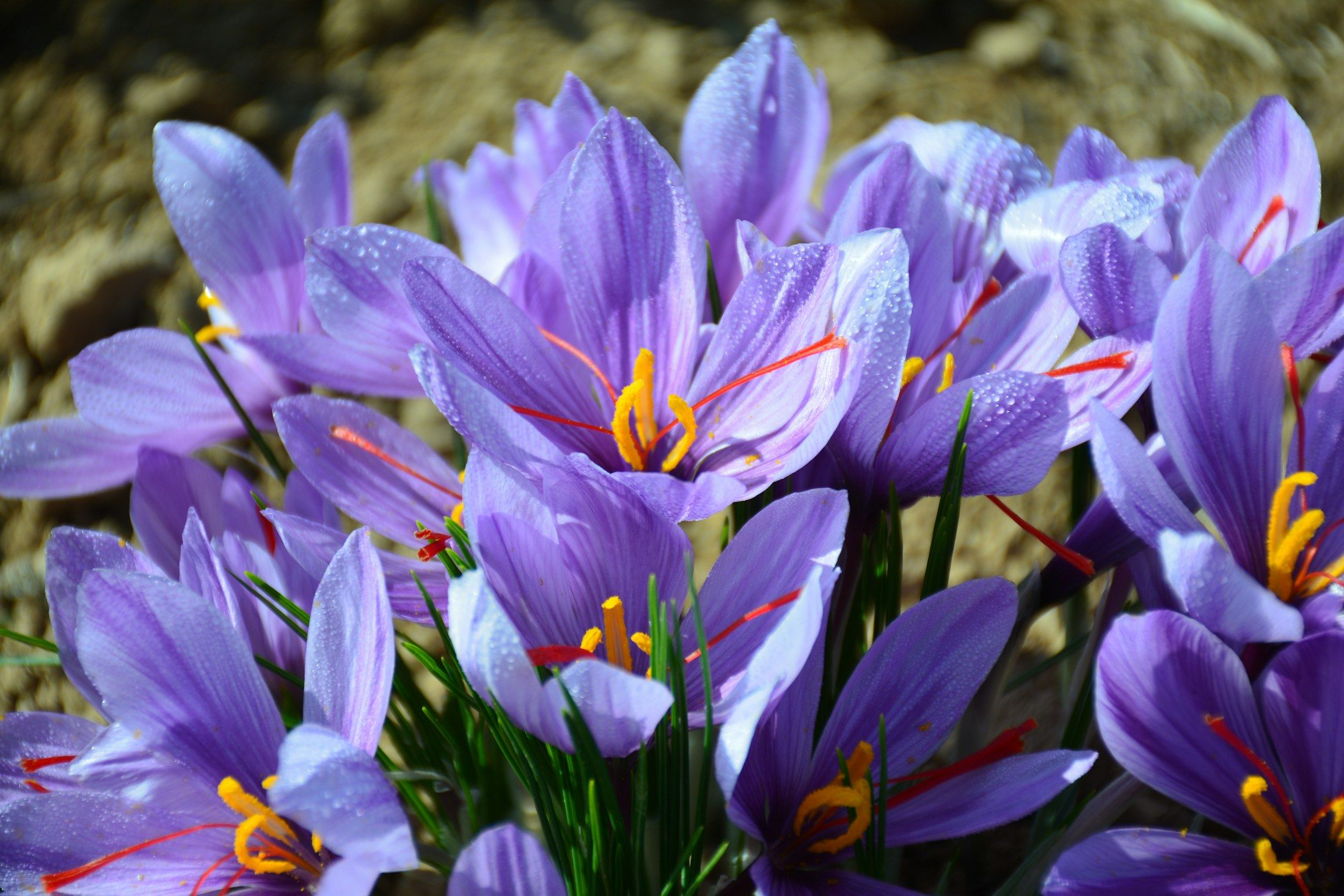
Dose. Thirty milligrams of saffron a day, as in the trials, split as 15 mg morning and evening or taken once. That is about 12 to 15 threads of good Kashmiri Mongra, since a dried stigma weighs roughly 2 mg. Saffron dosage per day has the conversions.
Every day, all cycle. The trials dosed continuously, not just in the premenstrual week. Saffron’s effects build over weeks.
How long. Two full cycles before judging, as in the trials.
Form. Threads steeped ten minutes in warm milk or water and drunk, threads included, deliver the compounds. Saffron milk in the evening is the easiest habit. Standardised capsules give a fixed dose if you prefer; check the label states the saffron content.
Cost. Fifteen threads a day uses about a gram a month, roughly 60 cents a day at our 1 g price.
Safety for women
Saffron at 30 mg a day was well tolerated in the trials, with occasional mild nausea, headache or appetite change. The points that matter particularly for women:
Pregnancy. Saffron has traditionally been used to promote menstruation, and high doses can stimulate the uterus. If there is any chance you are pregnant, stop supplement doses and keep to culinary amounts. Culinary saffron in pregnancy is considered safe; supplements are not studied. Is saffron safe in pregnancy?
Breastfeeding. Little data at supplement doses; culinary amounts are fine.
Antidepressants. If you already take an SSRI for PMDD or depression, adding saffron is a decision for your prescriber because both act on serotonin.
Blood thinners and heavy periods. Saffron has mild antiplatelet activity. If you have heavy bleeding or take anticoagulants, discuss it first.
Bipolar disorder. Avoid supplement doses without psychiatric advice.
The full list is in saffron side effects. Never exceed 1.5 g a day.
The saffron matters
Thirty milligrams a day of dyed safflower, which much cheap saffron is, contains none of the compounds the trials measured. Buy whole threads with a per-lot ISO 3632 report and check a new vial with the water test: slow yellow over 15 minutes, threads still red. Our lots are tested one by one and the crocin number is printed on the vial; see the saffron page.
Read next: Saffron benefits: what the research says and Saffron dosage per day.
Questions people ask
Does saffron help with PMS?
Two randomised placebo-controlled trials, one in 2008 and one in 2018, gave women with PMS 30 mg of saffron a day through two menstrual cycles and found meaningful reductions in PMS symptom scores and in premenstrual low mood compared with placebo. The trials were small, about 50 and 80 women, but the effect was consistent and side effects were mild.
Does saffron help with period pain?
A few small trials suggest it may. Saffron, alone or in combination with other herbs, reduced pain scores in women with primary dysmenorrhoea compared with placebo in trials from Iran. The evidence is thinner than for PMS and the studies are small; it is reasonable to try alongside, not instead of, the usual approaches.
How much saffron should I take for PMS?
The trial dose is 30 mg a day, which is about 12 to 15 threads of good Kashmiri saffron, taken every day through the whole cycle, not just the premenstrual week. Give it two cycles before judging. Do not exceed 1.5 g a day.
Can saffron regulate irregular periods?
There is no good evidence that saffron regulates cycle length. Traditional medicine uses it as an emmenagogue, a substance that promotes menstrual flow, which is also why high doses are avoided in pregnancy, but trials on irregular periods have not been done. If your cycles are irregular, see a doctor to find out why.
Is saffron safe to take every month?
At 30 mg a day, yes, for healthy women who are not pregnant. Side effects in the trials were mild and infrequent. If you could be pregnant, are breastfeeding, have bipolar disorder, or take antidepressants or blood thinners, talk to your doctor first. Stop if you become pregnant and keep to culinary amounts.
Written by the Kashmiri Treasures team in Srinagar. We buy at the field in Pampore, test every lot to ISO 3632, and print the result on the vial. See who we are or verify a lot.