Kashmiri Kahwa Recipe: The Traditional Saffron Green Tea, Step by Step
A traditional Kashmiri kahwa recipe for 2 or 6 cups: green tea, saffron, cardamom, cinnamon and almonds, with timings, temperatures and variations.
By Kashmiri Treasures · October 7, 2026 · 9 min read
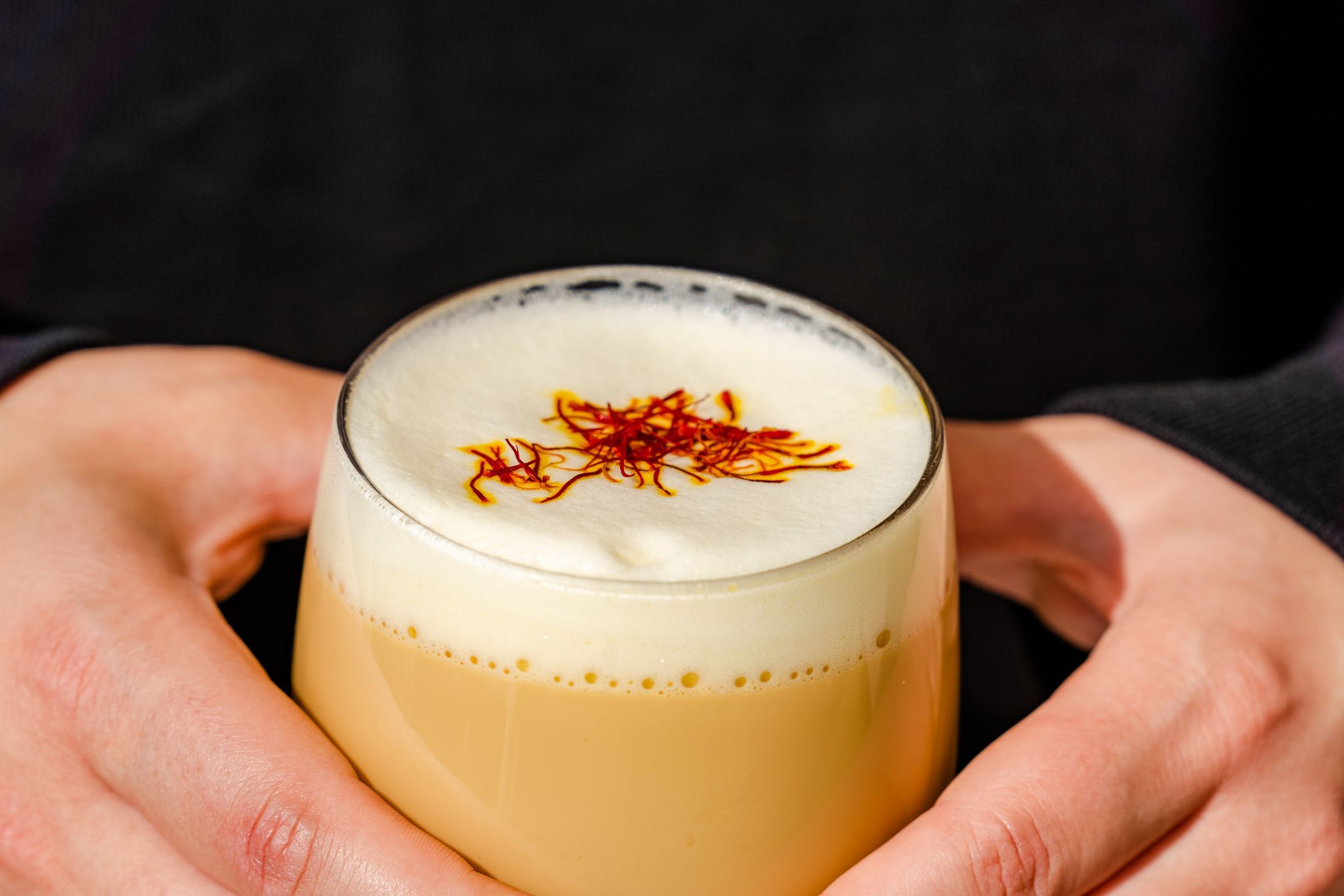
Kashmiri kahwa is a green tea infusion simmered with cardamom and cinnamon, coloured gold with saffron, and finished with crushed almonds. It is drunk hot, without milk, usually sweetened a little with honey or sugar, and in Kashmir it is what you are offered the moment you walk into a house in winter.
The recipe is short. For two cups you need 500 ml of water, a teaspoon of green tea, two cardamom pods, a small piece of cinnamon, a dozen or so saffron threads and a few almonds. The method takes about fifteen minutes, and the only rule that matters is this: the spices can boil, the tea and the saffron must not.
Below is the full kashmiri kahwa recipe for two cups and for six, the traditional method with timings and temperatures, four variations, what to serve it with, the mistakes that make it bitter, and a short, honest word on the benefits people search for.
What kahwa is, and what it is not
Kahwa (also spelled kehwa or kahwah) is Kashmir’s everyday green tea. The base is a loose-leaf green tea, traditionally a lightly processed leaf sold in the valley specifically for kahwa, though any good plain green tea works. Into the water go whole green cardamom pods, a stick of cinnamon, sometimes a clove, and the pot simmers until the kitchen smells of a bakery. Saffron goes in at the end, and the cup is finished with almonds, crushed or slivered, that soften in the hot tea. Dried rose petals are a festive addition.
Two things it is not. It is not Arabic qahwa, the cardamom coffee of the Gulf; the words are cousins but the drinks share nothing except cardamom. And it is not noon chai, the pink, salted Kashmiri tea made by boiling green tea leaves with bicarbonate of soda and milk. Noon chai is breakfast; kahwa is for guests, for after dinner, and for the cold.
Kahwa is also never made with milk. If a recipe adds milk, it is a kahwa latte, which is a fine thing, and we cover it below, but it is a modern variation.
The samovar tradition
In Kashmiri homes, kahwa is traditionally brewed in a samovar: a brass or copper urn with a central chimney that holds glowing charcoal, surrounded by a jacket of water. The tea, spices and saffron steep in that jacket, kept just below a boil by the embers, and the tea is drawn from a tap near the base into small cups. The design keeps the kahwa hot for hours without ever boiling it, which is exactly the condition saffron likes.
Most of us no longer have a samovar on the table, but the principle survives in the stovetop method: a gentle simmer for the spices, then heat off for the tea and the saffron. Saffron’s aroma compound, safranal, is volatile and leaves with the steam if you boil it. The colour compound, crocin, is water-soluble and comes out happily at lower temperatures. The samovar got this right by accident; we can get it right on purpose.
Ingredients
Use whole spices, a plain green tea and real saffron. If your saffron is the stigma-only Mongra grade with a crocin number above 200, six threads per cup is enough; with weaker saffron, use eight.
| Ingredient | For 2 cups | For 6 cups |
|---|---|---|
| Water | 500 ml (2 cups + 2 tbsp) | 1.5 L (6¼ cups) |
| Loose-leaf green tea | 1 tsp (2 g) | 1 tbsp (6 g) |
| Kashmiri Mongra saffron | 12–16 threads | 36–48 threads (about ¼ of a 1 g vial) |
| Green cardamom pods, lightly crushed | 2 | 6 |
| Cinnamon stick | 2 cm (¾ in) piece | 5 cm (2 in) piece |
| Whole clove (optional) | 1 | 2 |
| Almonds, blanched and crushed or slivered | 5 (about 1 tbsp) | 15 (about 3 tbsp) |
| Honey or sugar (optional) | 1–2 tsp | 1–2 tbsp |
| Dried rose petals (optional) | a pinch | 1 tsp |
A note on the tea: 1 teaspoon of loose leaf weighs about 2 g. If your leaf is very fine, use a scant teaspoon; if it is large and twisted, a heaped one. Green tea bags work in a pinch, one per cup.
Method, step by step
The timings are for the two-cup batch. For six cups, add about three minutes to the spice simmer and otherwise keep the same steps.
-
Bloom the saffron. Put the threads in a small cup. Add 2 tablespoons (30 ml) of hot water from the kettle that has cooled for three or four minutes, roughly 60 to 70 °C (140 to 160 °F). Cover and set aside while you do everything else. It needs at least 10 minutes, and 15 is better.
-
Prepare the almonds. If using whole almonds, pour boiling water over them, wait two minutes, slip off the skins and crush them roughly in a mortar or chop them. Slivered blanched almonds from a packet are fine.
-
Simmer the spices. Put the water, crushed cardamom pods, cinnamon and clove (if using) in a saucepan. Bring to the boil, then lower the heat and simmer gently, uncovered, for 5 minutes. The water will take on a faint colour and a strong smell of cinnamon. For six cups, simmer 8 minutes.
-
Take it off the heat. Turn the heat off and wait about 60 to 90 seconds. The water needs to drop from boiling to around 80 °C (175 °F). If you have a thermometer, use it; if not, the moment the bubbling stops and the steam softens is close enough.
-
Add the green tea. Stir in the tea leaves, cover, and steep for 2 to 3 minutes. Not longer. Green tea steeped past three minutes in hot water turns astringent, and that astringency is what people mistake for the taste of kahwa.
-
Strain. Pour through a fine sieve into a warmed pot or straight into cups, leaving the leaves and whole spices behind. Some cooks leave the cinnamon in the pot; the cardamom pods should go.
-
Add the saffron. Pour the bloomed saffron, threads and all, into the strained tea. Stir once. The tea turns from pale green-amber to gold within a few seconds.
-
Sweeten and finish. Add honey or sugar to taste, then divide the almonds between the cups and pour the kahwa over them. Scatter rose petals if using. Serve at once, while the almonds are still floating.
Variations
Rose kahwa. Add 1 teaspoon dried culinary rose petals with the green tea in step 5, and a few fresh petals on top to serve. Common at weddings and during Eid.
Walnut kahwa. Kashmir grows walnuts as well as saffron, and some families crush a walnut or two into the cup alongside, or instead of, the almonds. The slight bitterness of walnut suits an unsweetened cup.
Iced kahwa. Make the two-cup recipe with half the water (250 ml), let it cool to room temperature, then pour over a glass of ice with the other 250 ml as cold water. Add a little more honey than usual, since cold dulls sweetness, and a strip of orange peel. The saffron colour holds well over ice.
Kahwa latte. Brew the two-cup recipe with 300 ml water instead of 500 ml, strain, and add 200 ml (¾ cup + 1 tbsp) of hot, frothed milk. Sweeten with honey. It is not traditional, but it is a comfortable drink on a cold evening and shows how well saffron and milk get along, as anyone who drinks saffron milk already knows.
Kahwa without tea leaves. Simmer the spices, bloom the saffron and skip the green tea. The result is a caffeine-free spiced saffron water that children and late-evening drinkers can enjoy. It is not kahwa, strictly, but it is the same colour and nearly the same smell.
What to serve with kahwa
In Kashmir, kahwa is served with bread from the local baker: girda, a slightly chewy round, or the crisp, sesame-crusted lavasa. Outside the valley, the closest matches are a plain naan, a sesame flatbread, or shortbread. Kahwa is also excellent with anything containing dried fruit and nuts, and with dark chocolate, where the cinnamon and cardamom pick up the fruitier notes.
At the end of a heavy meal, serve it black and barely sweetened; it is Kashmir’s answer to a digestif. For guests in the afternoon, sweeten it and go generous with the almonds and rose petals.
Common kahwa mistakes
Boiling the tea. The most common one. Tea leaves boiled with the spices turn the pot brown and bitter. Spices first, heat off, then tea.
Boiling the saffron. Even a short boil costs you most of the aroma. Bloom it separately and add it last.
Too much saffron. Kahwa should smell of saffron and taste faintly bitter-sweet. If it tastes like medicine, you have used 15 threads per cup instead of 6 to 8.
Ground spices. Ground cinnamon and cardamom turn the tea cloudy and gritty. Use whole pods and a stick; they are also far easier to strain out.
Steeping too long. Green tea at 80 °C for more than three minutes is astringent. If you want it stronger, use more leaf, not more time.
Weak or fake saffron. If your kahwa stays pale green and smells only of cinnamon, the saffron is the likely culprit. A water test in a glass takes ten minutes; our fake saffron guide explains what to look for.
Kahwa tea benefits: what is reasonable to say
People search for kahwa tea benefits almost as often as for the recipe, so here is a hedged answer. We sell saffron, not medicine, and nothing below is a health claim.
Kahwa is, first, green tea. Green tea contains catechins, a family of plant polyphenols that has been studied extensively; a cup of kahwa gives you roughly what a cup of plain green tea does, with a modest amount of caffeine.
The saffron is the ingredient people are usually curious about. There is a body of small clinical trials on saffron extract and mood, which is interesting but concerns standardised extracts at measured daily doses, not the handful of threads in a cup of tea. We summarise that research plainly, including its limits, in saffron benefits: what research says.
The warming spices, cinnamon and cardamom, are traditional digestive aids, which is why kahwa follows heavy meals. That is a culinary tradition rather than a clinical finding.
If you are pregnant, breastfeeding or taking medication, culinary amounts of saffron in a cup of tea are generally considered fine, but please read our saffron safety note and ask your doctor about anything beyond that.
Making and storing a dry kahwa blend
If you drink kahwa daily, blend the dry ingredients in advance and keep the saffron separate. For roughly 20 cups:
- 60 g (about ¾ cup) loose-leaf green tea
- 20 green cardamom pods, lightly crushed
- 2 cinnamon sticks, broken into 2 cm pieces
- 4 whole cloves
- 2 tablespoons dried rose petals (optional)
Mix and store in a sealed glass jar in a dark cupboard. It keeps well for two to three months before the cardamom fades. Use 1 heaped teaspoon per cup, simmering the spice pieces first and adding the leaf at the end as above, or, more practically, simmer the whole spoonful for 3 minutes at a bare simmer, then rest off the heat 2 minutes before straining.
Keep the saffron threads in their own vial, sealed, dark and dry, and count them into the pot fresh each time. Saffron keeps its colour for two to three years stored this way, but it loses aroma quickly once mixed with other dry ingredients, and you lose the ability to check how many threads went in. The vial we ship has the harvest date, the grower’s name and the crocin number printed on it for the same reason: you should know exactly what you are putting in the pot.
Read next: How to Use Saffron: Blooming, How Much per Dish, and 12 Ways to Cook With It and Saffron Rice, Three Ways.
Questions people ask
What is Kashmiri kahwa made of?
Kashmiri kahwa is a green tea infusion flavoured with saffron, green cardamom and cinnamon, finished with crushed or slivered almonds. Some households add a clove, dried rose petals or a little honey. It is made with water only; milk is never added, which separates it from noon chai, the pink salted tea Kashmiris drink with bread. The saffron is what gives kahwa its golden colour and honeyed aroma.
How much saffron goes into a cup of kahwa?
Six to eight threads per cup is the right range for Category I saffron. For a two-cup pot that is 12 to 16 threads, and for six cups about 40, which is roughly a quarter of a 1 g vial. The threads are bloomed in a few tablespoons of warm water while the spices simmer, then added off the heat. More than this makes the tea bitter rather than more fragrant.
Is kahwa the same as Arabic qahwa?
No. The words share a root, but Arabic qahwa (or gahwa) is a lightly roasted coffee brewed with cardamom and served in small cups across the Gulf. Kashmiri kahwa contains no coffee at all; it is green tea with saffron, cardamom, cinnamon and almonds. If you are searching from the UAE or Saudi Arabia, look for kashmiri kahwa or saffron green tea to find the right recipe.
Does kahwa have caffeine?
Yes, a little. Kahwa is brewed from green tea leaves, so a cup carries roughly the caffeine of any green tea, which is considerably less than a cup of coffee or black tea. Steeping for two to three minutes rather than longer keeps the caffeine and the tannin modest. For an evening cup with no caffeine, you can brew the spices and saffron alone without the tea leaves, which is pleasant though not strictly kahwa.
Can I make kahwa with tea bags?
You can. Use one plain green tea bag per cup in place of the loose leaf and steep it the same way, two to three minutes in water that is just off the boil. The result is slightly flatter than loose Kashmiri green tea, but the saffron, cardamom and cinnamon do most of the work. Avoid flavoured or jasmine green tea bags, which fight with the spices.
Written by the Kashmiri Treasures team in Srinagar. We buy at the field in Pampore, test every lot to ISO 3632, and print the result on the vial. See who we are or verify a lot.